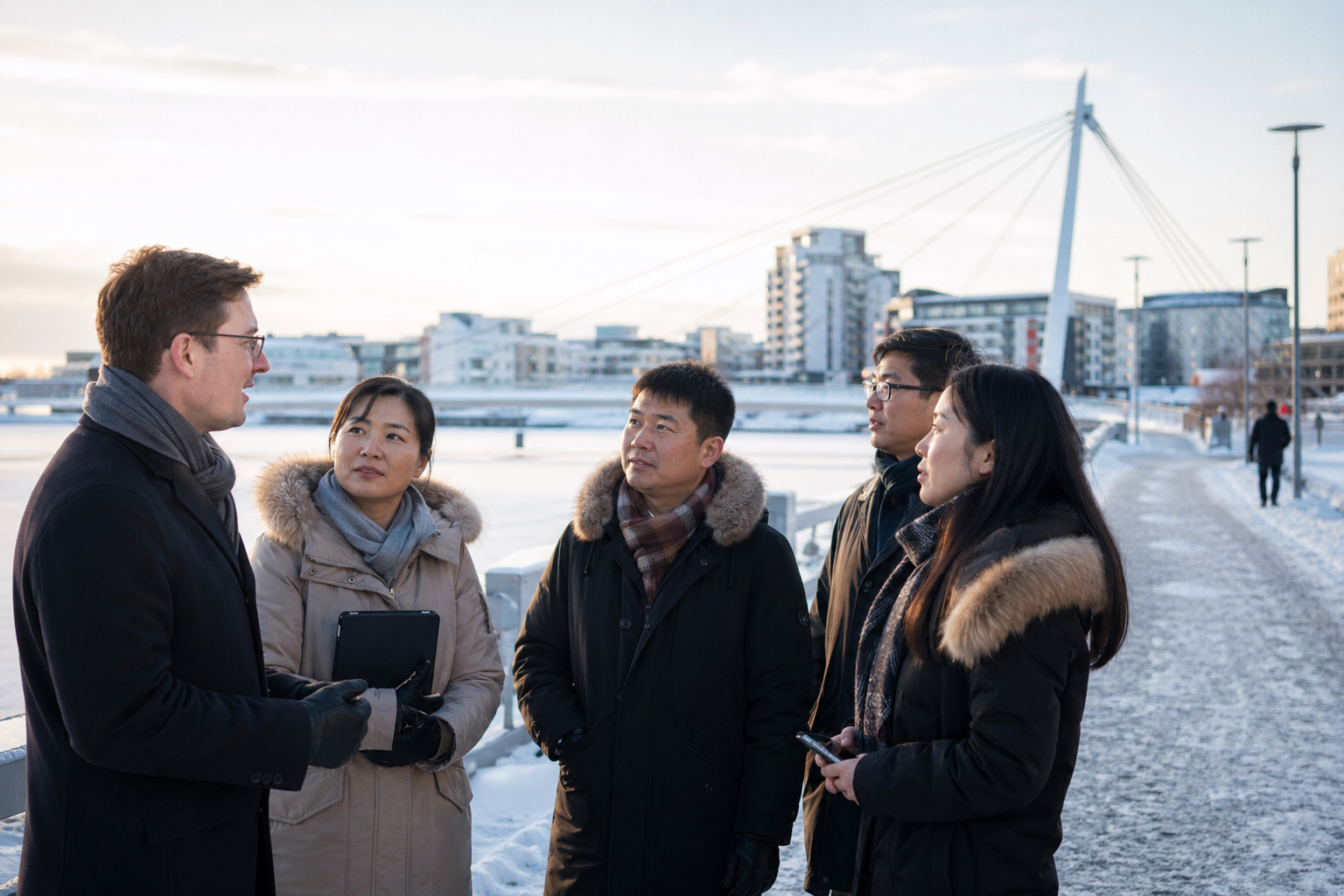
A school visit in Finland can be very valuable, but only when visitors understand what they are observing. Finnish classrooms may look calm and simple, yet many important ideas are hidden in the daily routines: trust, teacher planning, student independence, learning support, and cooperation between adults.
What to observe
Visitors should pay attention to how the lesson begins, how instructions are given, how students ask for help, how teachers move around the room, and how different learners are supported. The learning environment may not always look dramatic, because the goal is often steady participation rather than performance for visitors.
It is also useful to observe the whole school day. Breaks, meals, transitions, library use, outdoor time, special education support, and student guidance all form part of the learning culture. In Finland, wellbeing and learning are closely connected.
Questions to prepare
Good questions make a school visit more productive. Instead of asking only about rankings or homework volume, visitors can ask how the curriculum is implemented, how teachers plan multidisciplinary learning, how assessment supports learning, how schools communicate with families, and how students receive support when they struggle.
For Oulu-based visits, groups can also explore how international education appears in a Finnish municipal context. Oulu International School, for example, follows the Finnish National Core Curriculum while teaching in English, which makes it a useful reference point for families and educators interested in international learning inside the Finnish system.
After the visit
The most important work often happens after leaving the school. A short reflection session helps the group separate what is culturally specific from what may be adaptable. Some ideas may be useful for teacher training, school management, student support, curriculum design, or family education services.
NemojaBagel can help prepare briefing notes, visit questions, interpretation support, and post-visit summaries so the experience becomes part of a larger learning process.